 NEWS
NEWS
Apple to Invest $1 Billion in new Austin Campus
 12/14/2018
 2942
2942
Earlier this year, Apple announced it would launch a major new campus in the US, its second largest behind the Cupertino headquarters. Now we know where.
Apple announced this morning that it will spend $1 billion to open a new campus in the southern tech hub of Austin, Texas, and that it will open new offices and add 1,000 new jobs each to San Diego, Seattle, and Culver City, California, which is a municipality in the heart of Los Angeles. Further expansion is also planned in Pittsburgh, New York, Boston, Boulder, and Portland. It also plans to invest $4.5 billion in data centers like those in Nevada, North Carolina, and Arizona this year and next.
The company has gone to great lengths to position this as part of a narrative about the vast number of people it currently employs and will employ in the future across the United States. Apple hopes this will counter criticisms about its manufacturing operations and partners in China. The industry giant says it is on track to create 20,000 new jobs in the US by 2023. It also plans to spend $30 billion on new facilities by that date. Apple currently employs about 90,000 people in the US.
Some of these offices are additive in existing locations. Apple already has an Austin office that employs 6,200 people—the second-largest concentration behind the company's northern California headquarters. This second office would add 5,000 more employees, with the potential to add another 10,000 on top of that, making the company Austin's largest employer. Additionally, Apple has an existing and growing office in Culver City, from which it operates many aspects of Apple Music, iTunes, and its upcoming TV streaming business.
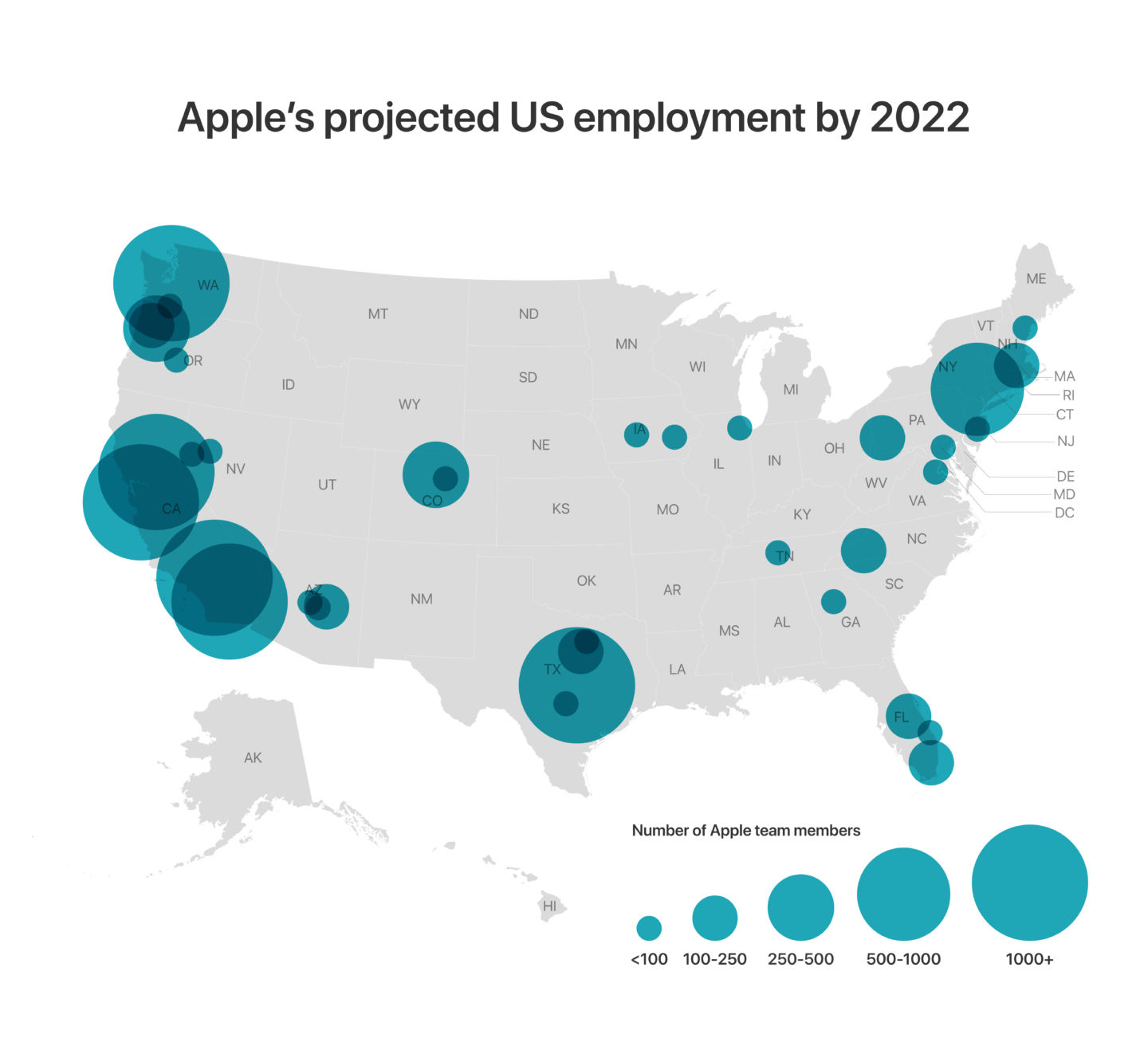
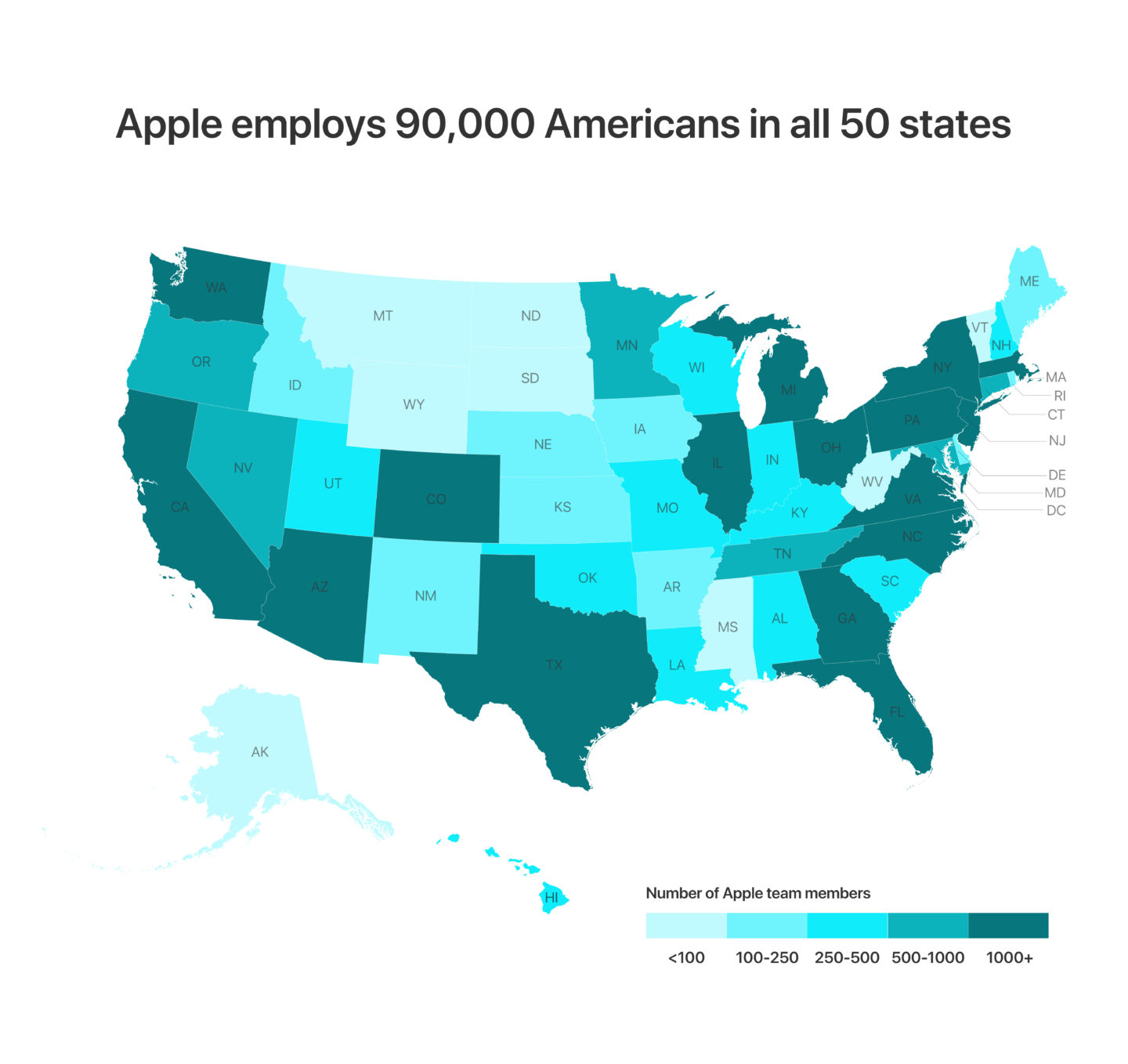
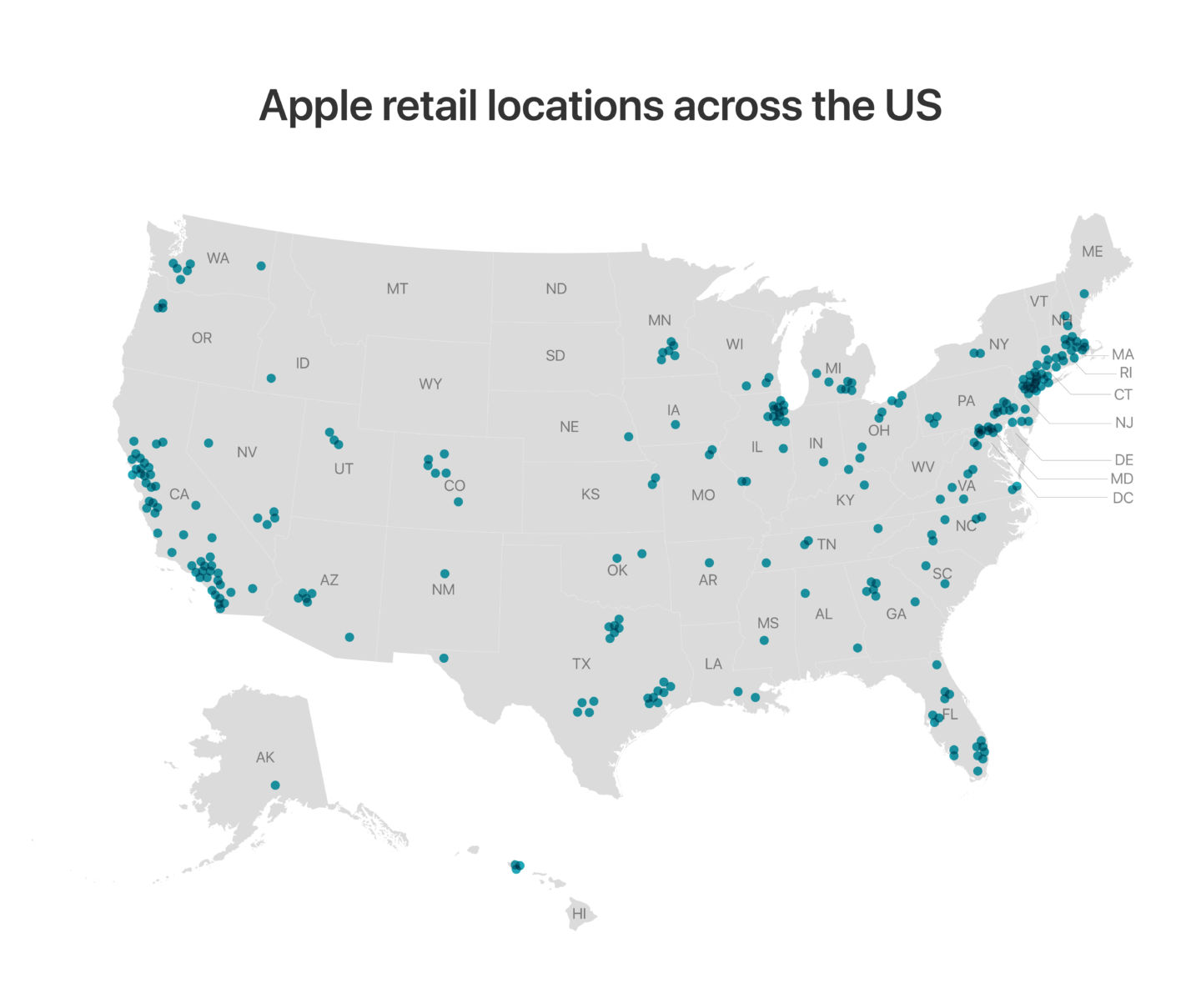
Apple's lengthy blog post about the expansions went into some detail on the new Austin campus—it will be located in North Austin and it will occupy 133 acres. The office will be just a mile away from the company's existing Austin location. The Austin office will focus on "engineering, R&D, operations, finance, sales, and customer support." Fewer details were given on the other locations the company plans to open, though the Culver City expansion is likely to continue that area's focus on entertainment and media products.
Axios reports that the state of Texas is investing $25 million in grants and likely millions in property tax abatements to facilitate the expansion. Expansions like this can be both a boon and a burden for cities; on one hand, thousands of high-paying new jobs and taxpayers are desirable and present new opportunities for smart investment. On the other, cities that don't manage that growth well can face growing inequality and housing shortages, among other problems.
Recently, Apple rival Amazon conducted a nationwide search and request-for-proposal for locations in which it could open major new operations. After many small cities spent millions to lure the company, it went with New York City and the Virginia suburbs of Washington, DC. The decision drew widespread criticism because Midwestern and Southern cities claimed they needed the jobs more, because the state of New York had to make major and expensive concessions to secure the investment, and because the Queens, New York, location offered federal tax breaks because it was labeled as an opportunity zone, despite the existing concentration of tech jobs in the New York metropolitan area.
Apple didn't conduct a search quite like that, and CEO Tim Cook tried to position his approach in contrast to Amazon's. "From our point of view, we didn't want to create this contest, because I think what comes out of that is you wind up putting people through a ton of work to select one, so that is a case where you have a winner and a lot of losers. I don’t like that," he told MSNBC in an interview.
Cook has recently focused on making similar public statements in an attempt to differentiate Apple from competitors that are poorly perceived by the public, particularly in regard to privacy
Source: arstechnica